Julie
Verified buyer
Rating: 5 out of 5
No written review.


Helps maintain joint flexibility
Helps maintain bone health
Contributes to a healthy nervous system balance
Format
Purchase option
Joint flexibility
Bone health
Nervous balance
95%
tetrahydrocurcuminoids
72x
more bioavailable
133 mg
tetrahydrocurcuminoids per capsule
Curcuma longa
140 mg · 95% THC
Curcuma longa
140 mg · 95% THC
1 capsule
per day
45 days
per bottle
With the first meal
As a regular course
D14
Antioxidant action
M1
Joint comfort
M3
Bones and nervous balance
* Valeurs Nutritionnelles de Référence
Additives: Bulking agent: Potato starch (Solanum Tuberosum spp.) ; Coating agent: Capsule of vegetable origin (hydroxypropylmethylcellulose) ; Colorant: Caramel
Allergens
Formulé sans allergènes.
Contraindications
On anticancer drugs, Celiac disease, Biliary tract disorders, Liver problems, On anticoagulant medication, Under immunosuppressants, Pregnant or breast-feeding. It is recommended for pregnant and breastfeeding women to contact their doctor before taking any supplements.
NERVOUS SYSTEM
Turmeric contributes to a healthy nervous system balance
BONES
Turmeric helps maintain bone health
Patented C3 Reduct active
100% plant-based
No unnecessary additives
Tested for purity
The history and origin of Curcuma longa, more commonly known as turmeric, are rooted in the traditions of Southeast Asia and India. This plant, known for its distinctively flavoured powder, has a long evolution spanning thousands of years. The roots of turmeric's history can be traced back to the Indus Valley civilisation, one of the oldest in the world. It is believed the plant was domesticated in India more than 5000 years ago, mainly for its colouring effect. The earliest writings on turmeric appear in the sacred texts of Hinduism, the Vedas, which speak of the plant as a divine offering. Turmeric was not limited to cooking (as a spice) or rituals; the plant was also used in dyes for its vibrant colouring. As the spice trade grew, turmeric began to spread along the trade routes of the ancient world. Arab merchants introduced it to Europe in the Middle Ages, where it became known as the "saffron of the Indies" because of its resemblance to saffron.
Turmeric is a herbaceous plant native to South Asia, more precisely the regions of India, Bangladesh and Sri Lanka. It belongs to the ginger family, and its rhizome, part of the underground stem, is harvested, dried and then ground to produce the turmeric powder we know. The main compound of turmeric is curcumin, which is responsible for the spice's bright yellow colour and for many beneficial properties for wellbeing. Turmeric is widely used as a spice in cooking, particularly in Indian cuisine, where it gives a distinctive flavour to dishes such as curry. It is also used for its benefits in certain traditions, thanks to its antioxidant properties. Turmeric is often regarded as a superfood because of its potential benefits for wellbeing. It is also available as an organic food supplement or a tincture for those who wish to enjoy its properties without necessarily adding it directly to their diet.
Side effects linked to taking turmeric are very rare: they only appear at very high doses or in case of an allergy. Symptoms may include nausea, bloating or heartburn. That said, everyone's body is unique and reacts differently to food supplements. We strongly recommend consulting your doctor before starting a new routine and finding out about potential interactions if you take prescription medication.
Yes, turmeric has interesting properties for the wellbeing of the joints and bones, but also for supporting heart function and the proper working of the gut and digestion. As an essential ingredient of curry, turmeric can be consumed daily as a spice, ground into culinary preparations, just like ginger or cardamom. In addition, our organic turmeric ingredient comes in capsule form.
Pregnant women are advised to ask their doctor before supplementing during pregnancy. Some studies suggest that turmeric could help manage certain pregnancy conditions, while others advise against consuming turmeric while pregnant.
Turmeric is not dangerous to health provided the recommended doses are respected. However, taking turmeric in excess can be dangerous for people on anticoagulant treatment.
Visit our Help Center or contact us at support@cuure.com for any questions.
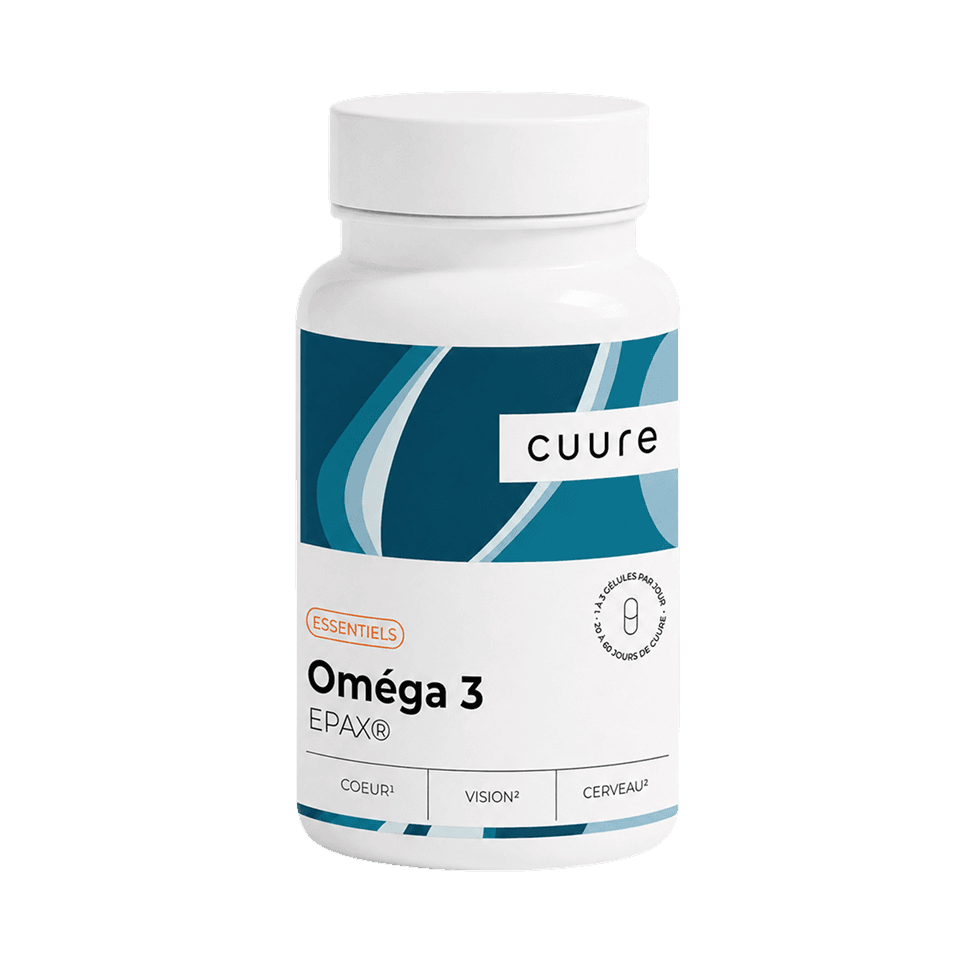 best-seller
essentials
Omega 3
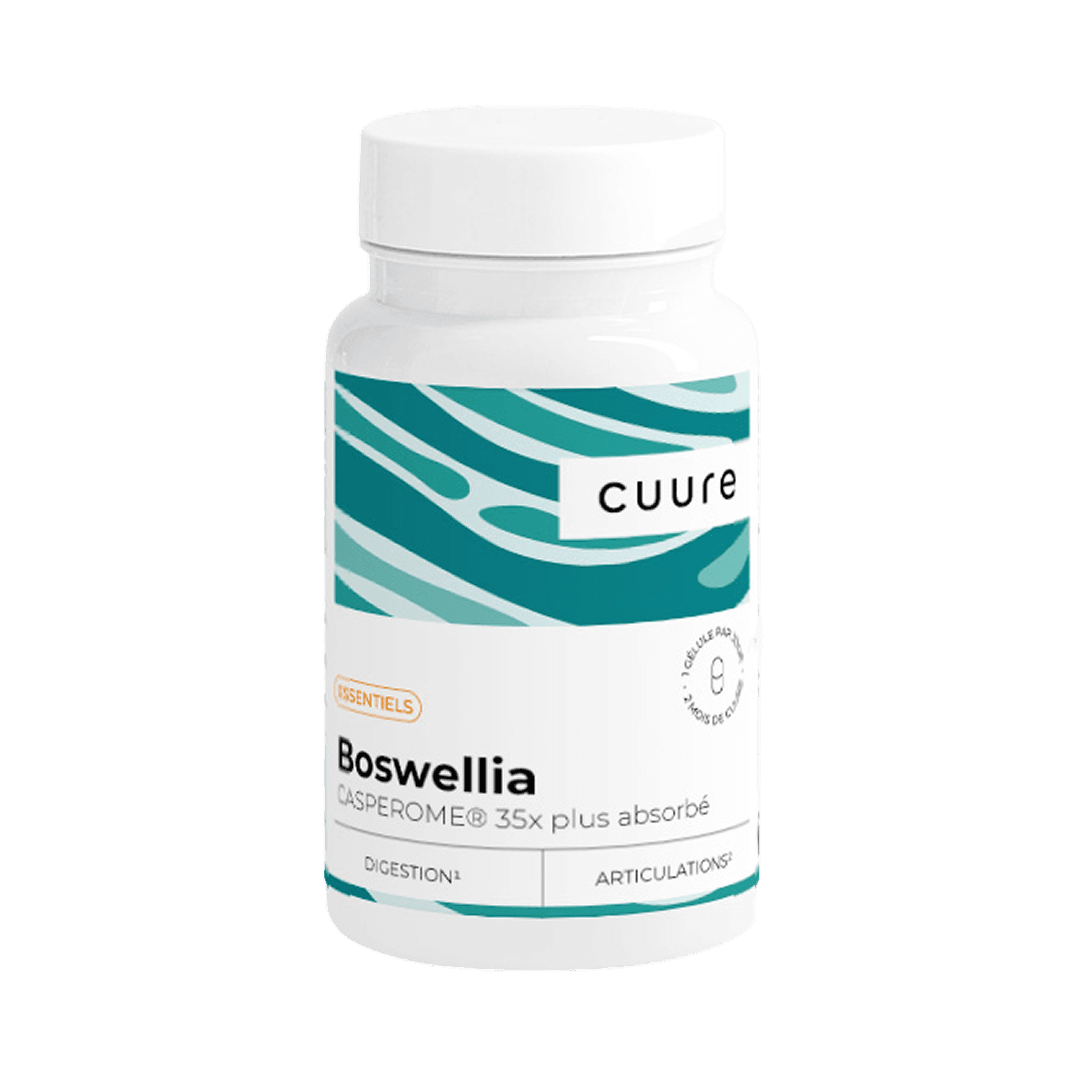
essentials
Boswellia
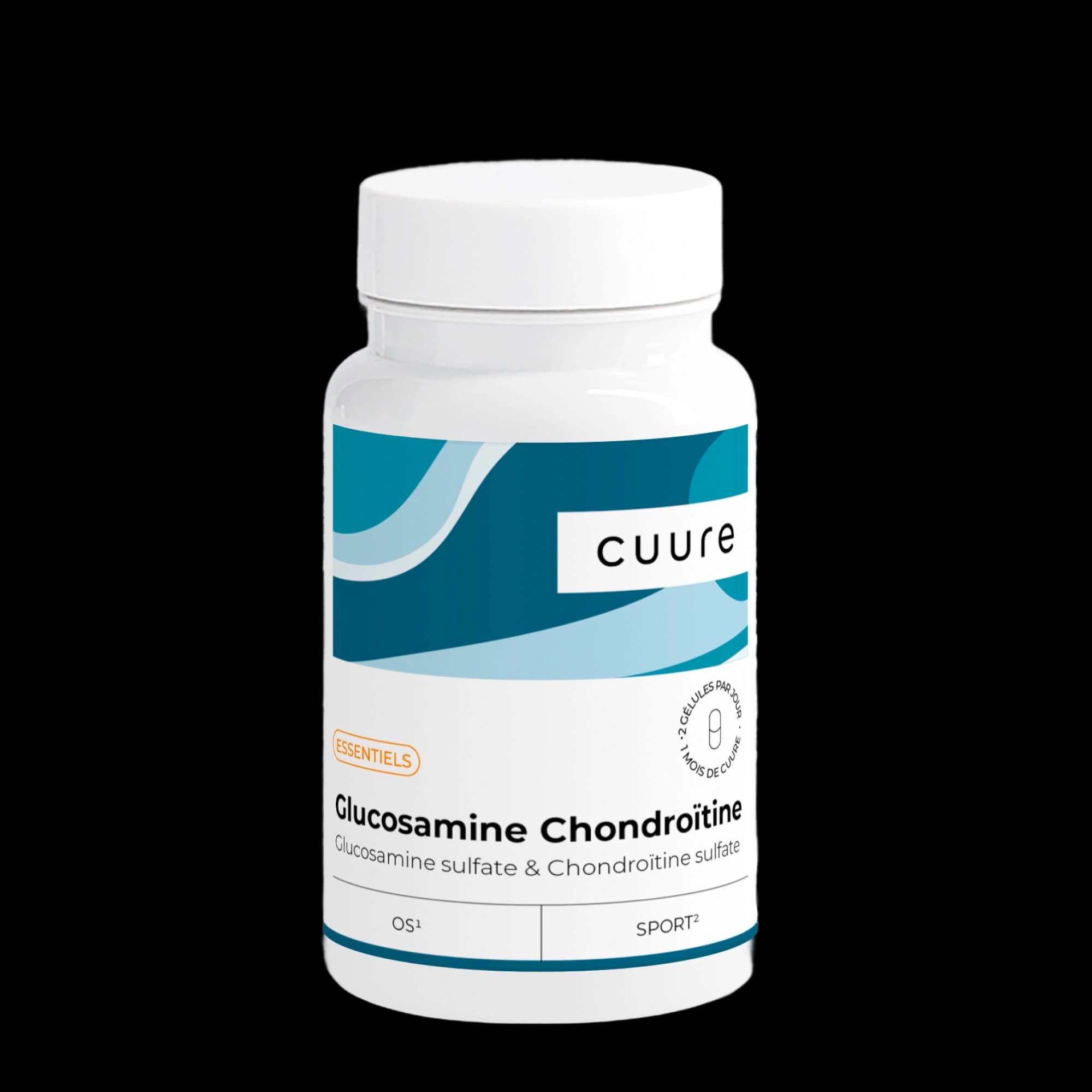 new
essentials
Glucosamine Chondroitin
This product is rated 4.4 out of 5 stars. We collected more than 395 reviews.
Julie
Verified buyer
No written review.
Marido
Verified buyer
No written review.
Christophe
Verified buyer
I have fewer joint problems
RONY
Verified buyer
No written review.
RONY
Verified buyer
No written review.
All our food supplements are duly registered with the Directorate General for Food (DGAL), as required by law. Our products are not intended to diagnose, treat, cure or prevent any disease. If you are ill, pregnant or breastfeeding, consult your doctor before taking any supplement.