Head of R&D at Cuure · Graduate of INSA Toulouse
Head of R&D at Cuure and a graduate of INSA Toulouse. She leads research, product development and formulation innovation in line with the brand's scientific and regulatory standards.

All our food supplements are duly registered with the Directorate General for Food (DGAL), as required by law. Our products are not intended to diagnose, treat, cure or prevent any disease. If you are ill, pregnant or breastfeeding, consult your doctor before taking any supplement.

How long should a magnesium course last, at what dose and when? Our benchmarks (1 to 3 months, ANSES intakes, EFSA limit) for an effective course.

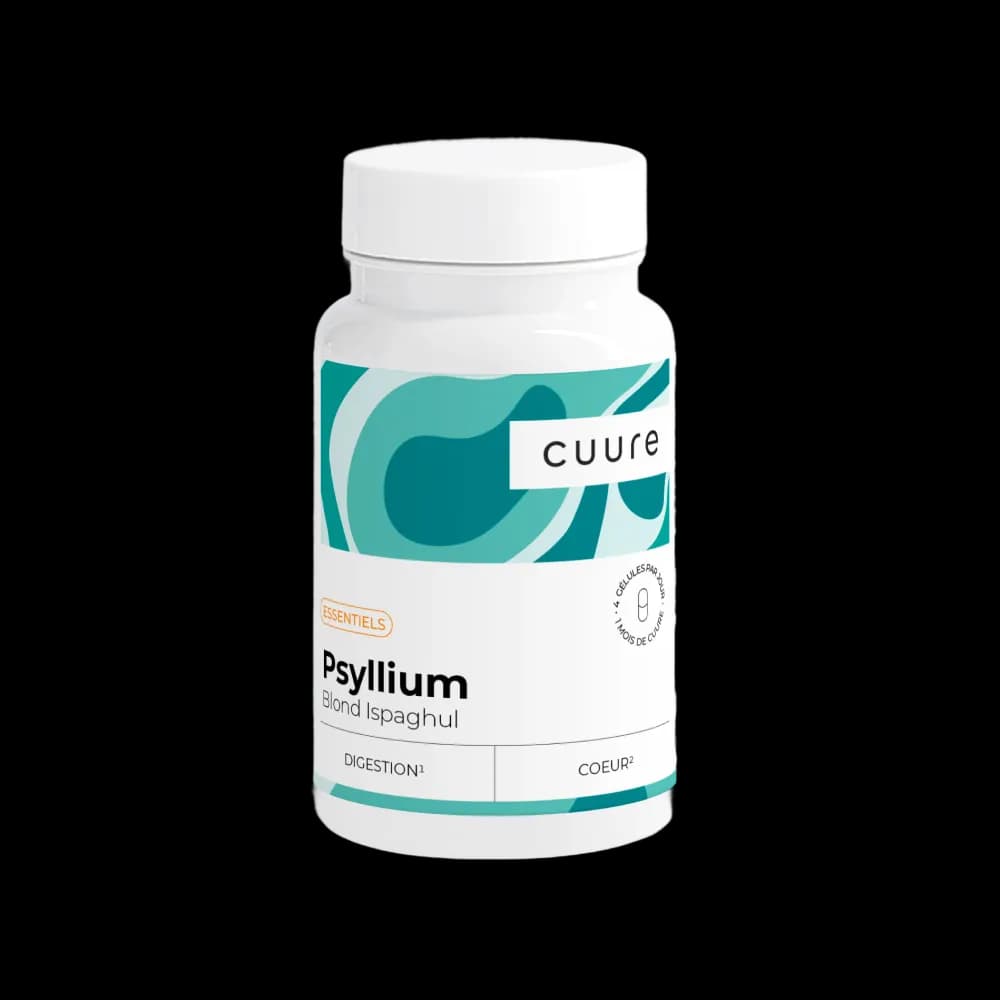
Psyllium, a soluble fibre from Plantago ovata, supports intestinal transit. Benefits, dosage (5-10 g/day), how to take it and precautions explained.

Psyllium contributes to intestinal transit and bowel function thanks to its soluble fibre. Role, dosage, hydration and when to see a doctor.

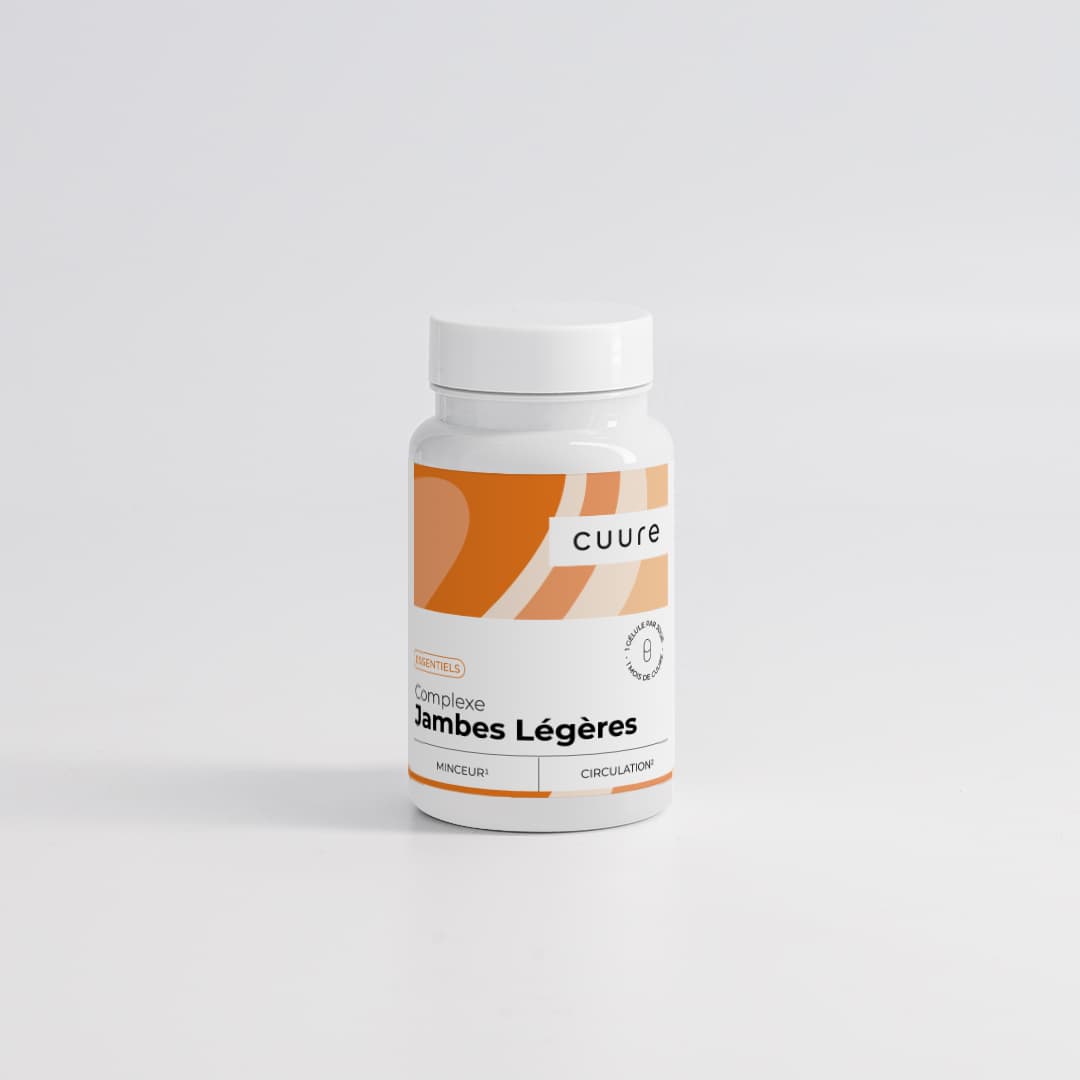
Cuure's Light Legs Complex combines VENOCIN® horse chestnut and Leucoselect® grape seed OPC to support venous circulation and ease heavy legs. Active ingredients, dosage and how it differs from the Draining Complex.

Les électrolytes (sodium, potassium, magnésium, calcium) régulent l'hydratation, la fonction musculaire et nerveuse. Rôle, signes de manque, dosage, sans sucre et coût par dose : le guide complet.

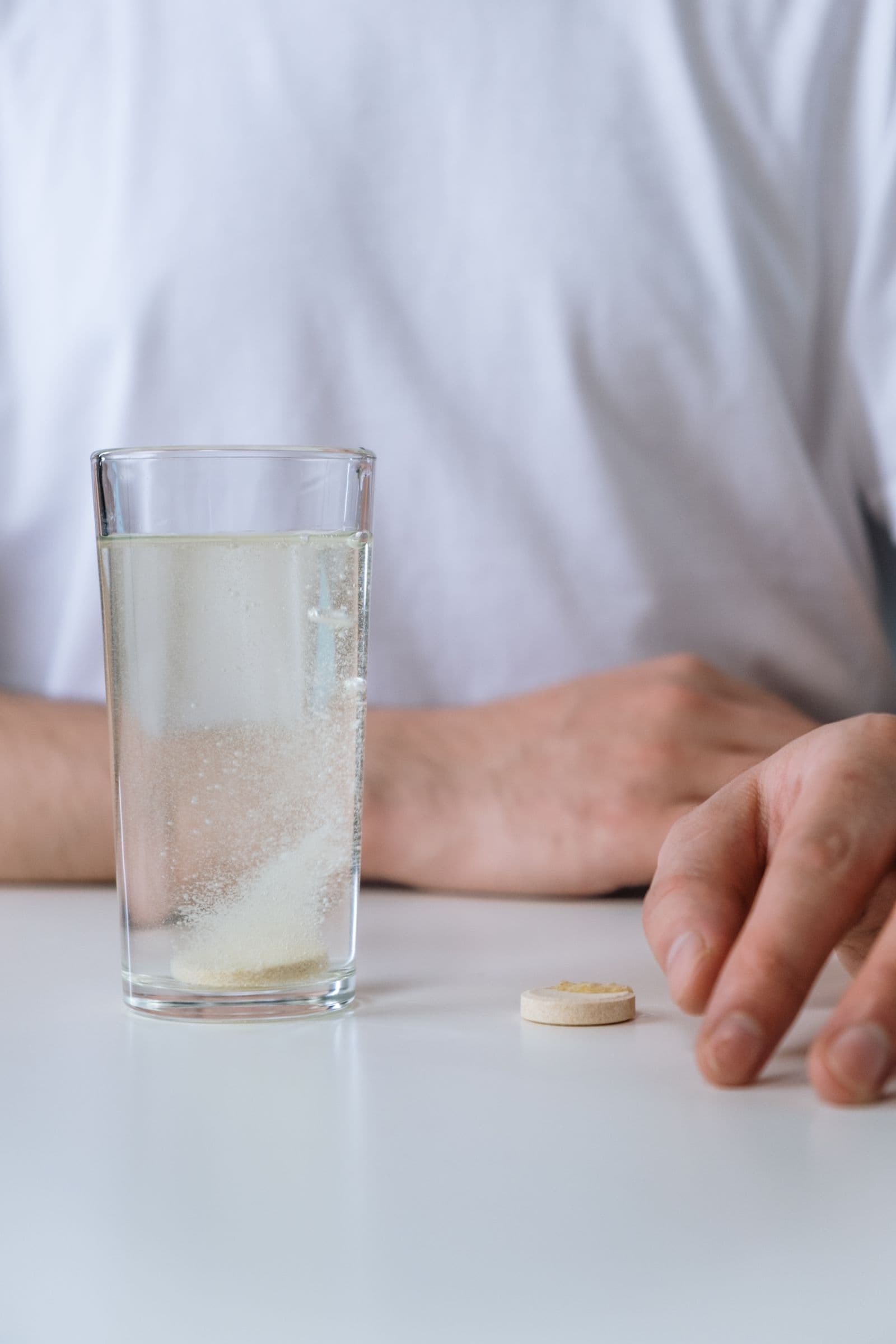
Pastille effervescente, poudre ou gélule : comparatif des formats d'électrolytes, avantages et usages, pour choisir selon vos besoins.

Is creatine right for women? Yes, with clear interest at menopause. Benefits, dose (3 to 5 g per day) and answers to common myths.

Does creatine really improve muscle gain? Yes: by improving training performance. Mechanisms, water retention, synergy with protein explained.

Does creatine reduce soreness and improve recovery? What studies say about DOMS, glycogen, inflammation and muscle store replenishment.

CoQ10 plays a role in protecting sperm from oxidative stress and in their energy production. Data from clinical trials on motility, morphology and concentration.

CoQ10 improves the efficiency of mitochondrial energy production and reduces exercise-induced oxidative stress. Data from clinical studies on muscle recovery, exercise fatigue and performance.

Statins inhibit the mevalonate pathway, also reducing CoQ10 production. Mechanism, clinical data on depletion, and ubiquinol supplementation: what the science says.