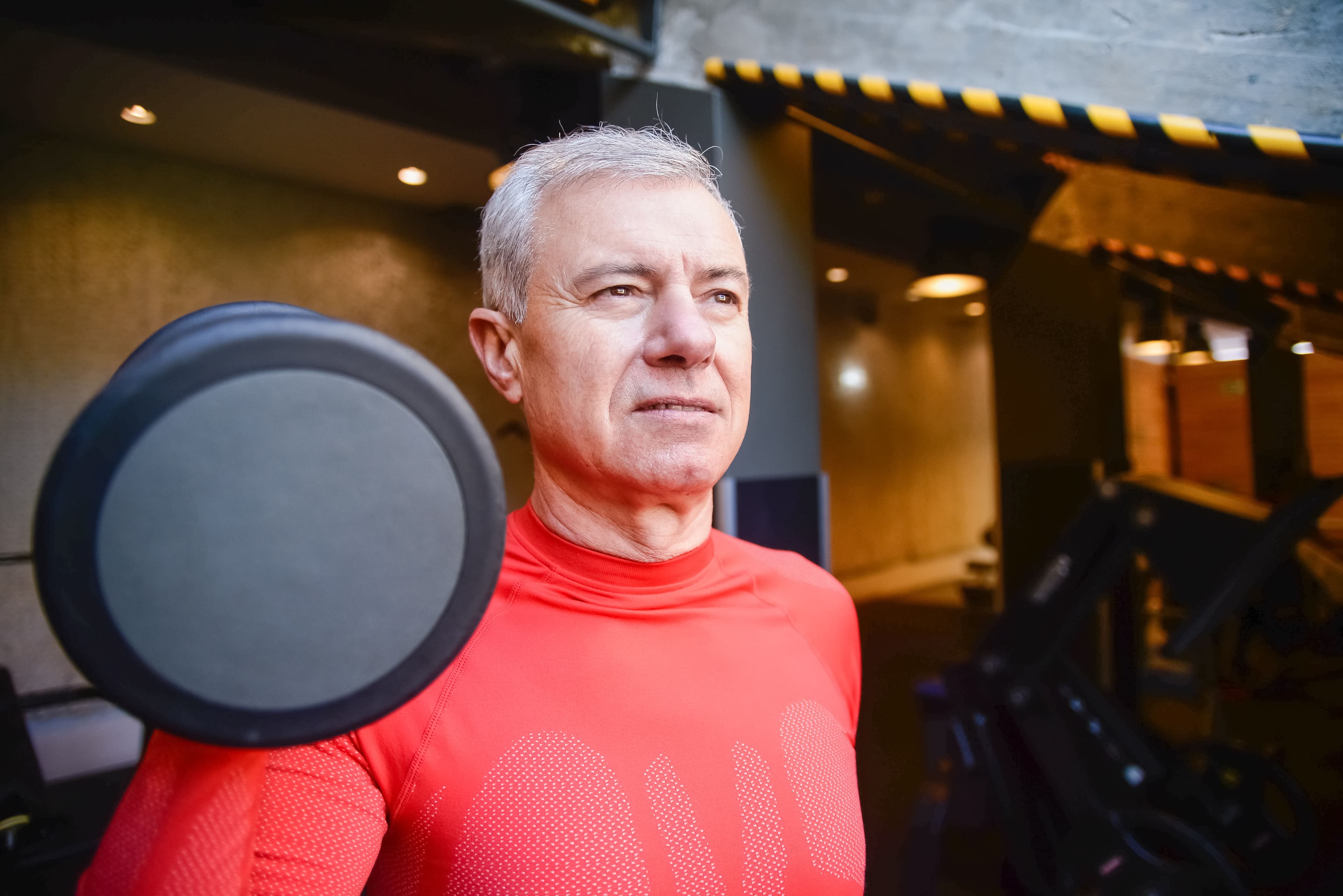

After 40, the body changes: muscle mass begins to decline, strength gradually decreases, and cognitive function may start to be affected. Creatine monohydrate is one of the most studied supplements in this context. See our complete guide for fundamentals.
The context: sarcopenia and muscle decline
Sarcopenia begins around age 30 (~1% muscle mass lost per year) and accelerates after 50 in women and 60 in men.
What EFSA says for adults over 55
EFSA validated: "Daily consumption of creatine monohydrate can enhance the effect of resistance training on muscle strength in adults over 55" (EU Regulation 432/2012). The only EFSA claim targeting muscle strength maintenance with age.
Why creatine helps after 40
- Declining creatine stores: muscle creatine and PCr decrease naturally with age.
- Better training quality: creatine improves resistance training performance, amplifying the hypertrophic stimulus critical against sarcopenia.
- Potential cognitive interest: brain creatine stores also decline with age: still under scientific evaluation.
Women after 50: a specific case
Menopause accelerates muscle loss through oestrogen decline. Creatine + resistance training is one of the best-documented strategies.
→ Creatine for women
Long-term safety profile
Studies in older populations show no clinically significant adverse effects on renal, hepatic or cardiovascular function.